Complete Guide to Prenatal Nutrition
Essential nutrients for a healthy pregnancy and optimal fetal development
Sarah Mitchell, CNM
Certified Nurse Midwife with over 10 years of experience in prenatal care
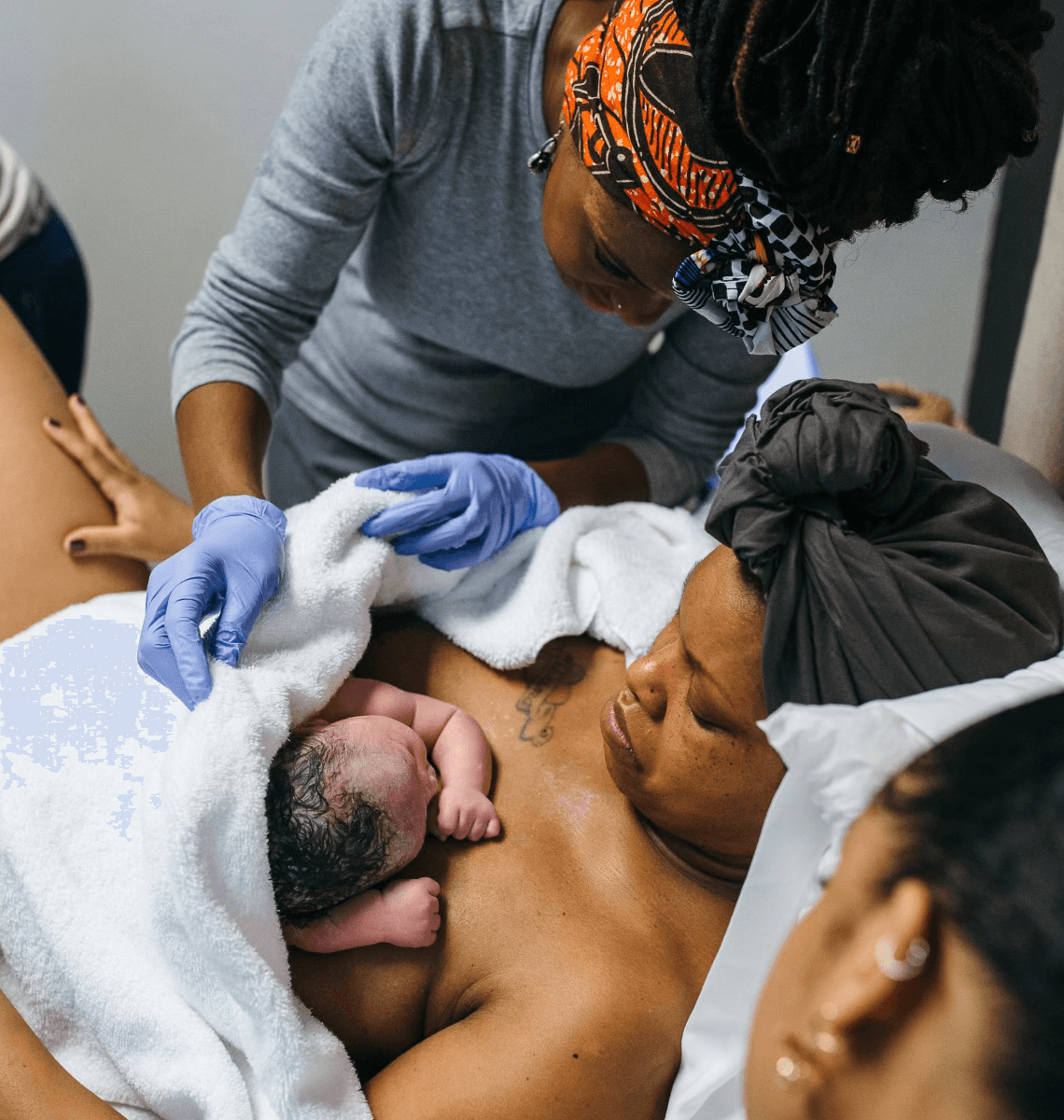
Proper nutrition during pregnancy is one of the most important gifts you can give to your developing baby. What you eat directly impacts your baby's growth, brain development, and long-term health outcomes.
The Foundation of Prenatal Nutrition
During pregnancy, your nutritional needs increase significantly. You're not just eating for two. You're eating for your baby's rapid development and your own changing body. The key is quality over quantity.
Quick Tip
Think of prenatal nutrition as building blocks. Every meal is an opportunity to provide essential nutrients that support your baby's development.
Essential Nutrients During Pregnancy
Certain nutrients become especially critical during pregnancy. Let's explore each one and understand why they matter:
Folic Acid (Folate)
Folic acid is crucial for preventing neural tube defects and supporting proper brain and spinal cord development. You need 400-800 micrograms daily, ideally starting before conception.
Best sources: Dark leafy greens, fortified cereals, legumes, citrus fruits, and avocados.
Iron
Your iron needs nearly double during pregnancy to support increased blood volume and prevent anemia. Aim for 27 milligrams daily.
Important Note
Iron absorption increases when paired with vitamin C-rich foods like citrus fruits, strawberries, or bell peppers. Avoid tea and coffee with iron-rich meals as they can inhibit absorption.
Best sources: Lean red meat, poultry, fish, dried beans, fortified cereals, and spinach.
Calcium
Calcium supports your baby's bone and tooth development. If you don't get enough, your body will take calcium from your bones. You need 1,000 milligrams daily.
Best sources: Dairy products, fortified plant milks, leafy greens, sardines, and tofu.
Omega-3 Fatty Acids
DHA and EPA are crucial for brain and eye development. Aim for 200-300 milligrams of DHA daily.
Best sources: Fatty fish (salmon, sardines, anchovies), walnuts, chia seeds, and flaxseeds.
Creating Your Prenatal Meal Plan
A well-balanced prenatal diet doesn't have to be complicated. Focus on variety, nutrient density, and listening to your body's hunger cues.
Daily Eating Framework
Structure your day around these nutritional goals:
- Breakfast: Include protein, whole grains, and fruit
- Mid-morning snack: Combine protein with complex carbohydrates
- Lunch: Focus on vegetables, lean protein, and healthy fats
- Afternoon snack: Choose nutrient-dense options like nuts or yogurt
- Dinner: Include a variety of colors and textures
- Evening snack: Light options if needed for blood sugar stability
Sample Day
Breakfast: Greek yogurt with berries and granola
Lunch: Quinoa salad with grilled chicken and avocado
Dinner: Baked salmon with sweet potato and steamed broccoli
Managing Common Pregnancy Symptoms
Your nutritional choices can help manage uncomfortable pregnancy symptoms:
Morning Sickness
- Eat small, frequent meals
- Keep crackers by your bedside
- Try ginger tea or ginger candies
- Avoid strong smells and greasy foods
Constipation
- Increase fiber intake gradually
- Drink plenty of water
- Include prunes or prune juice
- Stay physically active
Heartburn
- Eat smaller, more frequent meals
- Avoid spicy, acidic, or fatty foods
- Don't lie down immediately after eating
- Sleep with your head elevated
Foods to Limit or Avoid
While most foods are safe during pregnancy, some require caution or should be avoided entirely:
Foods to Avoid
- Raw or undercooked meats, eggs, and seafood
- High-mercury fish (shark, king mackerel, tilefish)
- Unpasteurized dairy products and juices
- Alcohol
- Excessive caffeine (limit to 200mg daily)
Supplementation
Even with a healthy diet, prenatal vitamins help fill nutritional gaps. Look for a prenatal vitamin that contains:
- 400-800 mcg folic acid
- 18-27 mg iron
- 1,000 mg calcium
- 400 IU vitamin D
- 200-300 mg DHA
Special Dietary Considerations
If you follow a specific diet, you can still meet your nutritional needs with careful planning:
Vegetarian and Vegan Diets
Plant-based diets can be healthy during pregnancy with attention to:
- Protein combining (beans with grains)
- Vitamin B12 supplementation
- Iron-rich foods with vitamin C
- Calcium from fortified foods
- Omega-3s from algae supplements
Food Allergies and Intolerances
Work with your healthcare provider to ensure you're meeting nutritional needs while avoiding problematic foods. Many alternatives exist for common allergens.
Staying Hydrated
Proper hydration becomes even more important during pregnancy. Aim for:
- 8-10 glasses of water daily
- More if you're active or in hot weather
- Listen to your thirst
- Monitor urine color (pale yellow is ideal)
Hydration Tips
If plain water feels boring, try infusing it with cucumber, lemon, or mint. Herbal teas (pregnancy-safe varieties) also count toward your fluid intake.
Working with Your Healthcare Team
Your midwife or healthcare provider is your best resource for personalized nutrition advice. Discuss:
- Your current eating habits
- Any dietary restrictions or preferences
- Supplement recommendations
- Weight gain goals
- Any concerning symptoms
Remember, every pregnancy is unique. What works for one person may not work for another. Trust your body, listen to your healthcare provider, and give yourself grace as you navigate this incredible journey.
Key Takeaway
Prenatal nutrition is about nourishing both you and your baby. Focus on variety, quality, and consistency rather than perfection. Small, positive changes can make a big difference in your pregnancy journey.
About Sarah Mitchell, CNM
Certified Nurse Midwife with over 10 years of experience in prenatal care
Keep reading
Related articles
Continue your learning journey with these related resources.

Labor Positions for Comfort and Progress
Explore various labor positions that can help manage pain naturally and encourage optimal fetal positioning.
Safe Exercise During Pregnancy
Learn about safe and beneficial exercises for each trimester, including modifications for common concerns.
Breastfeeding Success in the First Weeks
Essential tips for establishing a successful breastfeeding relationship, including positioning and troubleshooting.