
Everything inside the quilt border is the demo practice, the client experience every SageWife practice starts with, branded as yours. Start your practice →
Birth education · Evidence & safety
Home Birth Safety
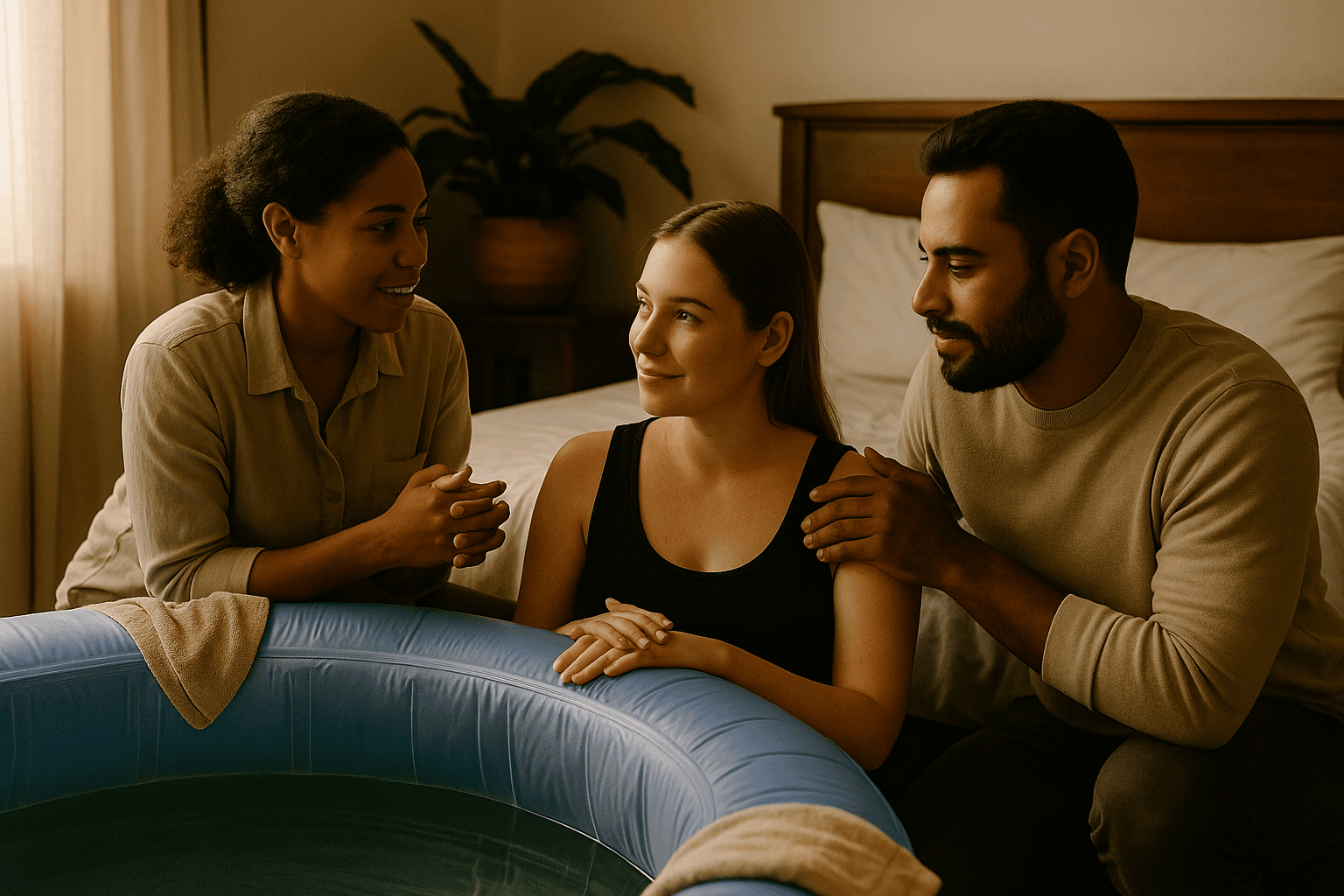
How careful screening, skilled midwives, and ready emergency plans make planned home birth a safe choice for low-risk pregnancies.
The evidence
Safety by design, not by luck
For generations, American families birthed at home in midwives' hands. Modern research examines that model with modern rigor, and for well-screened, low-risk pregnancies attended by licensed midwives, it holds up.
Screened, Then Screened Again
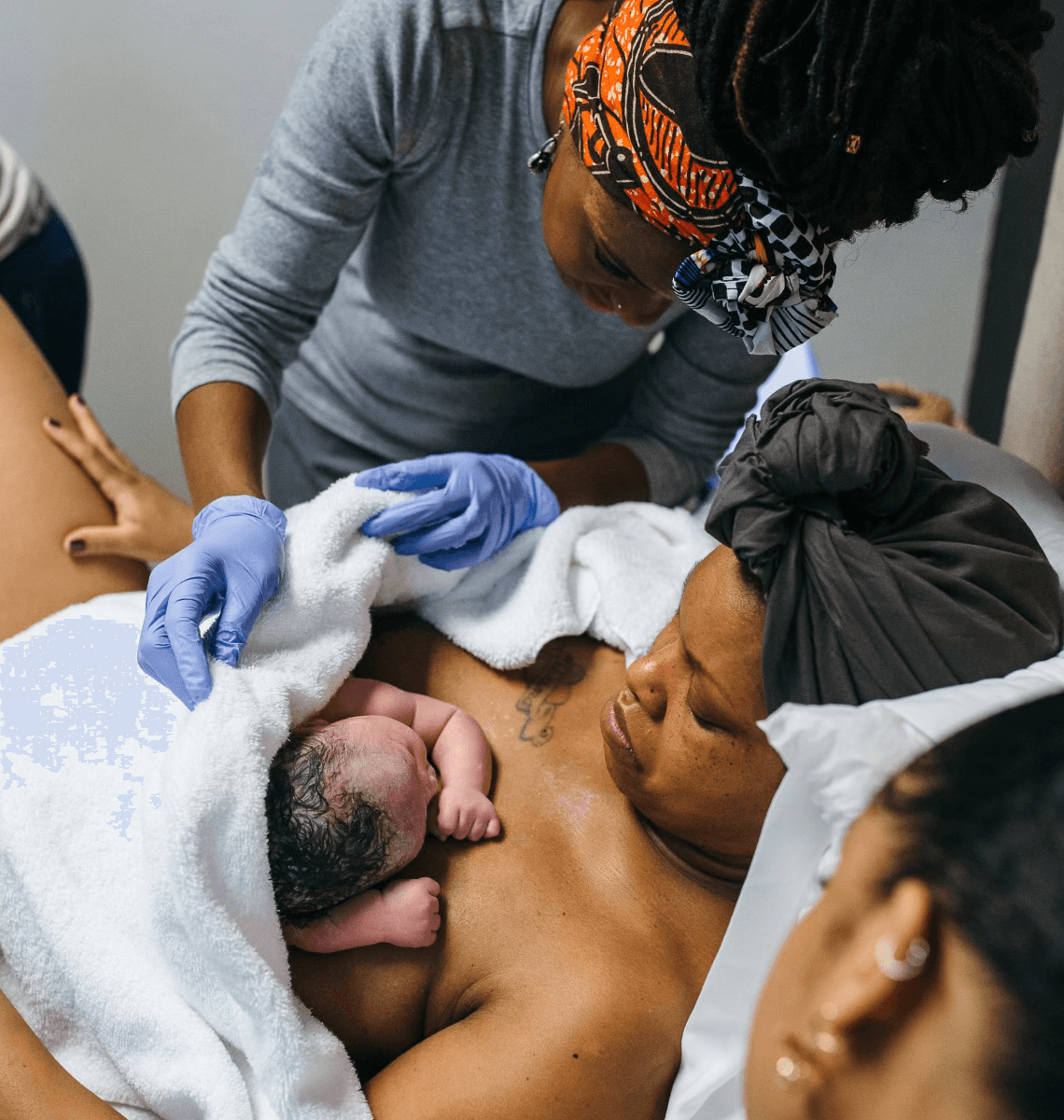
Home birth is offered to healthy mothers with low-risk pregnancies, and that candidacy is confirmed at every prenatal visit, not assumed once.
Fewer Interventions
Research, including Cochrane systematic reviews, consistently links midwife-led care for low-risk pregnancies with fewer interventions and strong outcomes.
A Plan for Every Path
Clear transfer criteria, collaborating physicians, and a mapped hospital route mean the plan is ready long before it's ever needed.
Preparation
Comprehensive Safety Protocols
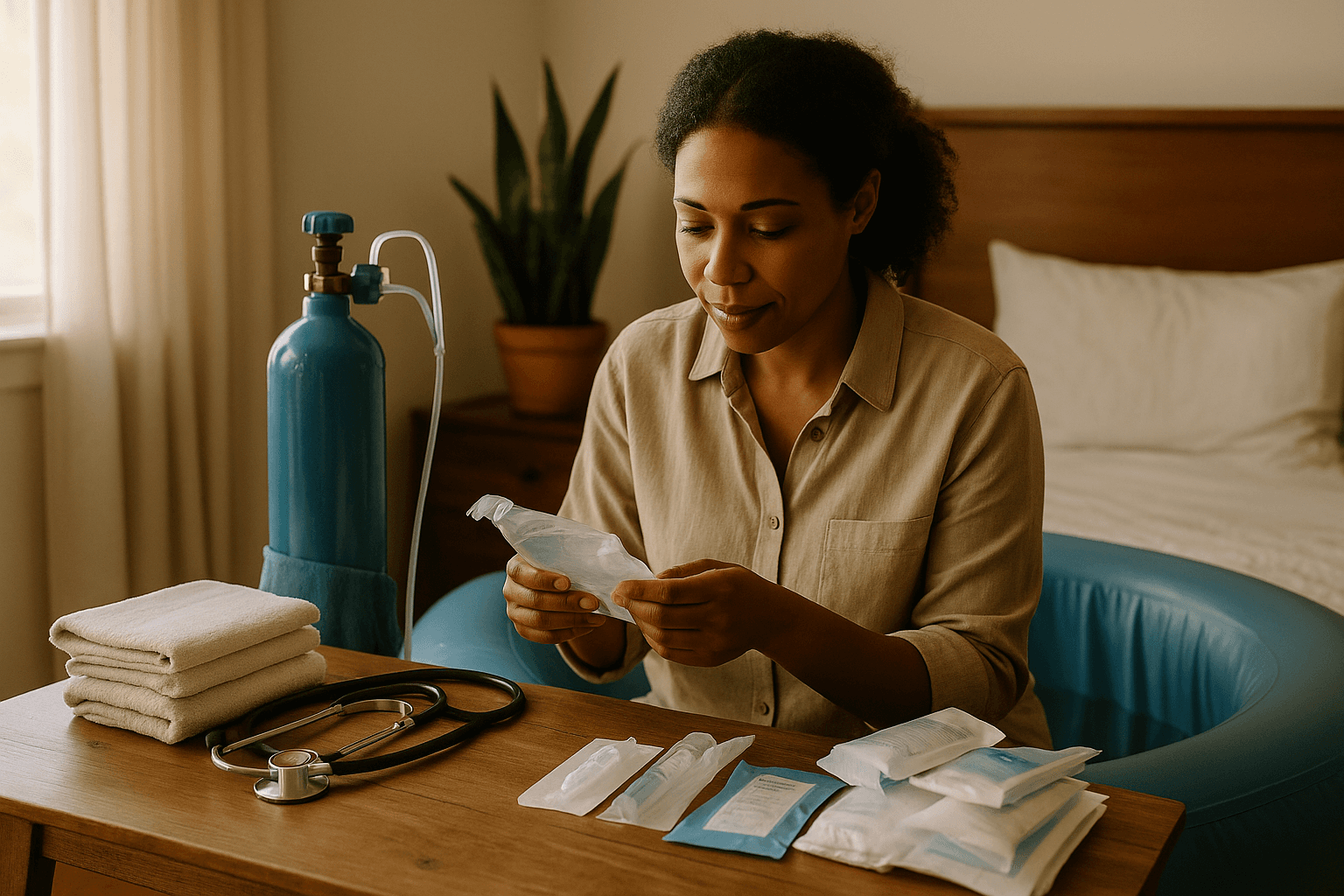
Licensed midwives follow strict protocols and carry professional emergency equipment, so the calm of home rests on hospital-grade preparation.
Risk Assessment & Screening
Emergency Preparedness
Is Home Birth Right for You?
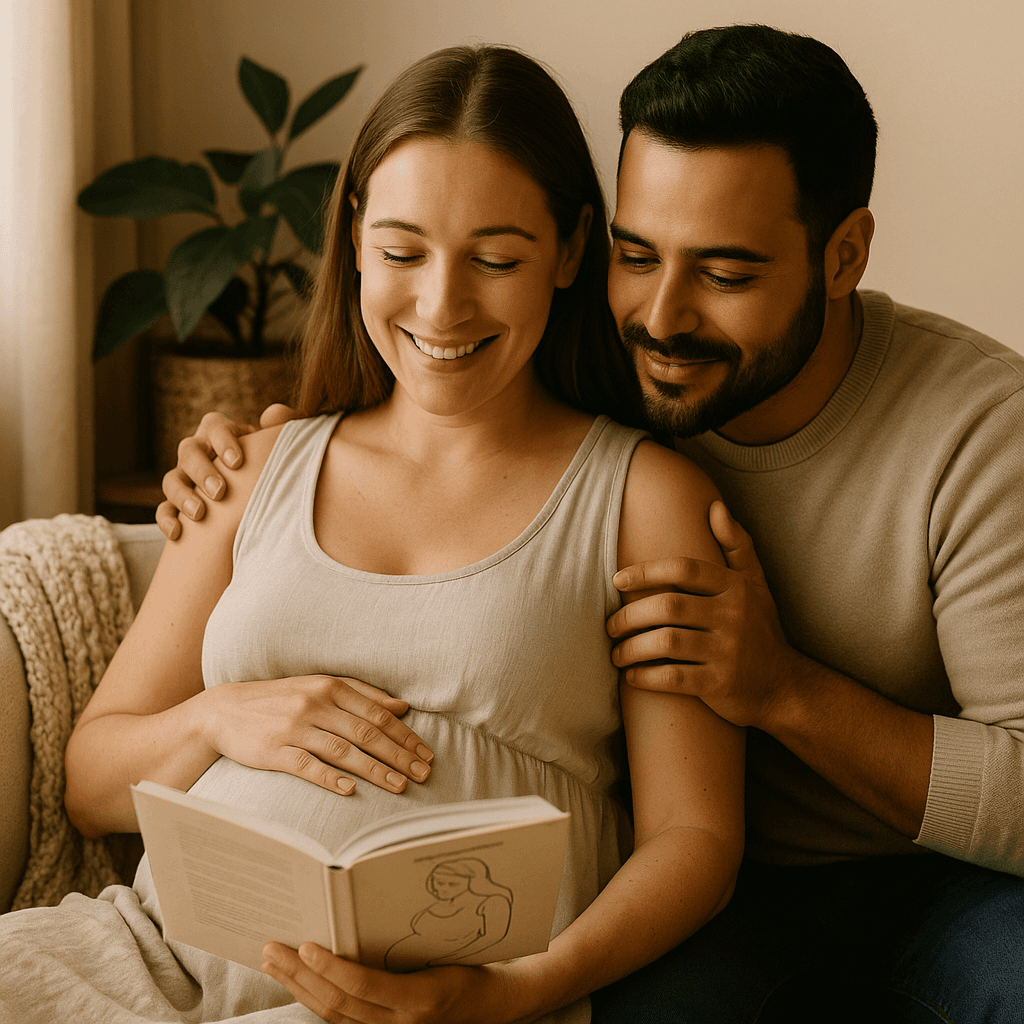
Home birth is safest for mothers with low-risk pregnancies who meet specific criteria, and an honest midwife will tell you which side of the line you're on.
Good Candidates Include:
Hospital Birth Recommended:
Research & Evidence
Read the studies yourself. Informed choice starts with the sources.
Journal of Midwifery & Women's Health (2014)↗
Research study examining outcomes and safety of planned home births with certified midwives in the United States.
European Journal of Obstetrics & Gynecology (2018)↗
European research examining perinatal outcomes and safety considerations for planned home births with qualified midwives.
Cochrane Review (2016)↗
Comprehensive systematic review found that planned home birth with skilled attendants is associated with lower intervention rates and similar safety outcomes.
"I was initially nervous about home birth, but my midwife's thorough explanation of safety protocols and emergency preparations gave me confidence. The birth was beautiful, peaceful, and I felt completely safe the entire time."Maria L., Mother of Three
Ready to Explore Safe Home Birth?
A consultation is a conversation, not a commitment. Your midwife will assess your candidacy honestly and answer every question you bring.